
A seasonal story / 03
The season
moves with them
What started as a question about a favorite animal became a lesson in reading absence: fewer otters in one place does not necessarily mean fewer otters overall.
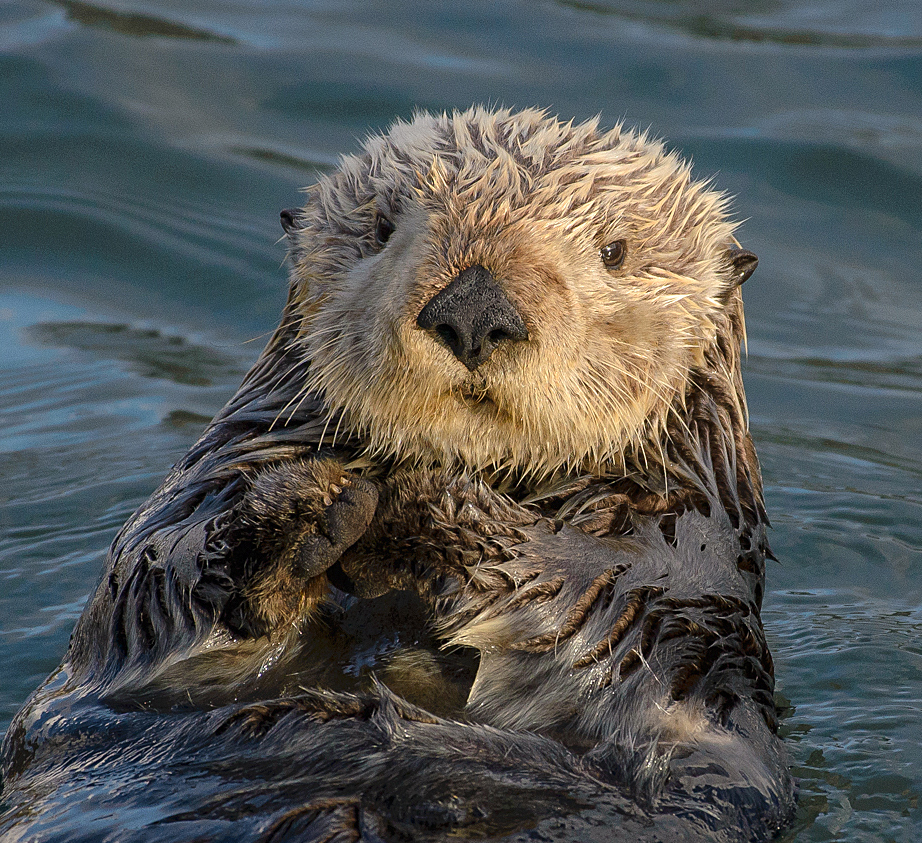 THE ANIMAL IN THE DATA
01 — ONE TIME
Otters have always been my favorite animal, which made me curious about how they live and behave. I started wondering if the number of otters people see changes depending on the season. I wanted to find out if there was actually a pattern behind these changes or if sightings were completely random.
02 — EVERYDAY
Food, kelp, tides, water conditions, and raising pups can all change where otters spend their time. A USGS study found that sea otters used some areas much more heavily than others, and that habitat use changed with tides and seasons.
03 — ONE DAY
The San Nicolas Island surveys made the pattern tangible. Researchers counted otters in every season, but the season with the highest count changed from year to year.
04 — BECAUSE OF THAT
No single season
always wins.
Seasonal surveys at San Nicolas Island (USGS OFR 2023–1071) across 2017–2023 show why a simple “best season” misses the point. Counts fluctuate from year to year. Hover or filter to examine each survey.
05 — UNTIL FINALLY
The biggest change
was where they were.
From 2020 to 2023, larger concentrations appeared near the island’s east end, especially in spring, summer, and fall. The researchers suggested changing kelp could help explain the movement: otters rest in kelp and forage around it. A quiet shoreline might simply mean the animals have followed the habitat.